

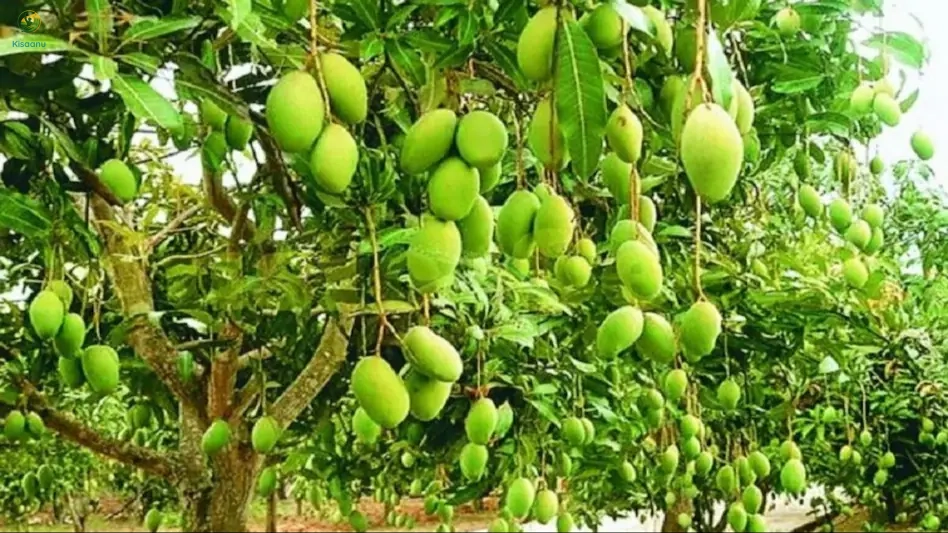
Dashehari mango is one of India’s most celebrated varieties and comes from Uttar Pradesh. It is known for its rich aroma, smooth fiberless pulp, and natural sweetness. In recent years, organic farming has started to play an important role in improving both the quality and sustainability of Dashehari mango production. Platforms like Kisaanu.com and Treeown.com are helping farmers connect directly with consumers, where organically grown mangoes are seen as premium because of their taste and safety.
Organic farming avoids synthetic fertilizers and pesticides. Instead, it relies on natural inputs such as vermicompost, neem cake, cow-based formulations, and biofertilizers. Scientific studies from ICAR institutions show that organic inputs improve soil health by increasing organic carbon, microbial activity, and nutrient availability. A healthier soil system supports better tree growth and fruit development.
One of the most visible benefits of organic farming is improvement in fruit quality. Organic inputs such as vermicompost help increase Total Soluble Solids, which directly relates to sweetness in mangoes. They also improve vitamin content and antioxidant levels, making the fruit more nutritious. For a variety like Dashehari, where taste is the primary differentiator, this becomes extremely important.
In Dashehari orchards, practices like mulching, application of jeevamrit, and natural pest control have shown promising results. Farmers have observed stable yields along with improvements in fruit size, texture, and flavor. Natural farming systems also improve long term soil fertility, which supports consistent production over years.
Another important advantage is better shelf life and post-harvest quality. Fruits grown organically tend to ripen more naturally and slowly. This helps preserve their flavor and reduces spoilage during transportation. This is especially important for direct-to-consumer supply chains like Kisaanu.com and Treeown.com, where mangoes are shipped to metro and tier two cities. Consumers receive fruits that are naturally ripened and closer to what they would taste at the farm.
From the consumer side, demand for organic mangoes is increasing. People are becoming more health conscious and prefer chemical-free produce. Many buyers are willing to pay a higher price for mangoes that offer better taste, safety, and traceability. Models like tree adoption on Treeown further build trust by allowing consumers to stay connected with the farm and farming practices.
There are some challenges in organic farming. Yields can vary, especially during the transition phase from conventional to organic methods. It also requires more attention, knowledge, and proper management. Certification and logistics can add to the cost as well.
Even with these challenges, the long term benefits are strong. Organic farming improves fruit quality, supports soil health, and opens up premium market opportunities. For Dashehari mango, it enhances everything that makes the variety special.
In summary, organic farming improves the taste, nutrition, shelf life, and overall value of Dashehari mangoes. With the growth of platforms like Kisaanu.com and Treeown.com, these mangoes are not just fruits but part of a more transparent and premium farm-to-consumer experience.
Hindi Version
दशहरी आम भारत की सबसे प्रसिद्ध किस्मों में से एक है और इसका मूल उत्तर प्रदेश है। इसकी पहचान इसकी खुशबू, बिना रेशे वाला गूदा और प्राकृतिक मिठास है। हाल के वर्षों में जैविक खेती इस आम की गुणवत्ता और स्थिर उत्पादन को बेहतर बनाने का एक महत्वपूर्ण माध्यम बन गई है। Kisaanu.com और Treeown.com जैसे प्लेटफॉर्म किसान और उपभोक्ता के बीच सीधा संबंध बना रहे हैं, जहां जैविक आम को प्रीमियम उत्पाद के रूप में देखा जा रहा है।
जैविक खेती में रासायनिक उर्वरकों और कीटनाशकों का उपयोग नहीं किया जाता। इसके स्थान पर वर्मी कम्पोस्ट, नीम खली, गो आधारित घोल और जैव उर्वरकों का उपयोग किया जाता है। वैज्ञानिक अध्ययनों से यह स्पष्ट हुआ है कि जैविक इनपुट मिट्टी की गुणवत्ता को बेहतर बनाते हैं। इससे मिट्टी में ऑर्गेनिक कार्बन, सूक्ष्म जीवों की संख्या और पोषक तत्वों की उपलब्धता बढ़ती है। इसका सीधा असर पेड़ों की सेहत और फल की गुणवत्ता पर पड़ता है।
जैविक खेती का सबसे बड़ा प्रभाव फल की गुणवत्ता में सुधार के रूप में दिखाई देता है। वर्मी कम्पोस्ट जैसे इनपुट आम की मिठास बढ़ाते हैं, जिसे TSS के रूप में मापा जाता है। इसके साथ ही विटामिन और एंटीऑक्सीडेंट की मात्रा भी बढ़ती है। दशहरी आम के लिए यह विशेष रूप से महत्वपूर्ण है क्योंकि इसका मूल्य उसके स्वाद पर निर्भर करता है।
दशहरी बागों में मल्चिंग, जीवामृत का प्रयोग और प्राकृतिक कीट नियंत्रण जैसे उपाय अच्छे परिणाम दे रहे हैं। किसानों ने पाया है कि इससे उत्पादन स्थिर रहता है और फल का आकार, बनावट और स्वाद बेहतर होता है। साथ ही, यह मिट्टी की दीर्घकालिक उर्वरता को भी बनाए रखता है।
एक और महत्वपूर्ण लाभ है बेहतर शेल्फ लाइफ और पोस्ट-हार्वेस्ट गुणवत्ता। जैविक तरीके से उगाए गए फल धीरे-धीरे और प्राकृतिक रूप से पकते हैं। इससे उनका स्वाद लंबे समय तक बना रहता है और खराब होने की संभावना कम होती है। यह D2C मॉडल जैसे Kisaanu और Treeown के लिए बहुत महत्वपूर्ण है, जहां आम सीधे शहरों तक भेजे जाते हैं।
उपभोक्ताओं की मांग भी तेजी से बढ़ रही है। लोग अब स्वास्थ्य के प्रति जागरूक हैं और केमिकल-फ्री उत्पाद पसंद करते हैं। कई उपभोक्ता बेहतर स्वाद और सुरक्षा के लिए अधिक कीमत देने को तैयार हैं। Treeown का ट्री एडॉप्शन मॉडल उपभोक्ताओं को सीधे खेत से जोड़ता है, जिससे भरोसा और पारदर्शिता बढ़ती है।
हालांकि, जैविक खेती में कुछ चुनौतियां भी हैं। शुरुआती समय में उत्पादन में उतार-चढ़ाव हो सकता है। इसके लिए अधिक ज्ञान, समय और सही प्रबंधन की आवश्यकता होती है। सर्टिफिकेशन और लॉजिस्टिक्स की लागत भी एक चुनौती हो सकती है।
इसके बावजूद, लंबे समय में जैविक खेती के लाभ अधिक हैं। यह न केवल फल की गुणवत्ता को बेहतर बनाती है बल्कि मिट्टी की सेहत और किसानों की आय को भी मजबूत करती है। अंत में कहा जा सकता है कि जैविक खेती दशहरी आम के स्वाद, पोषण, शेल्फ लाइफ और मूल्य को बेहतर बनाती है। Kisaanu.com और Treeown.com जैसे प्लेटफॉर्म इस बदलाव को आगे बढ़ा रहे हैं और आम को एक प्रीमियम अनुभव में बदल रहे हैं।