

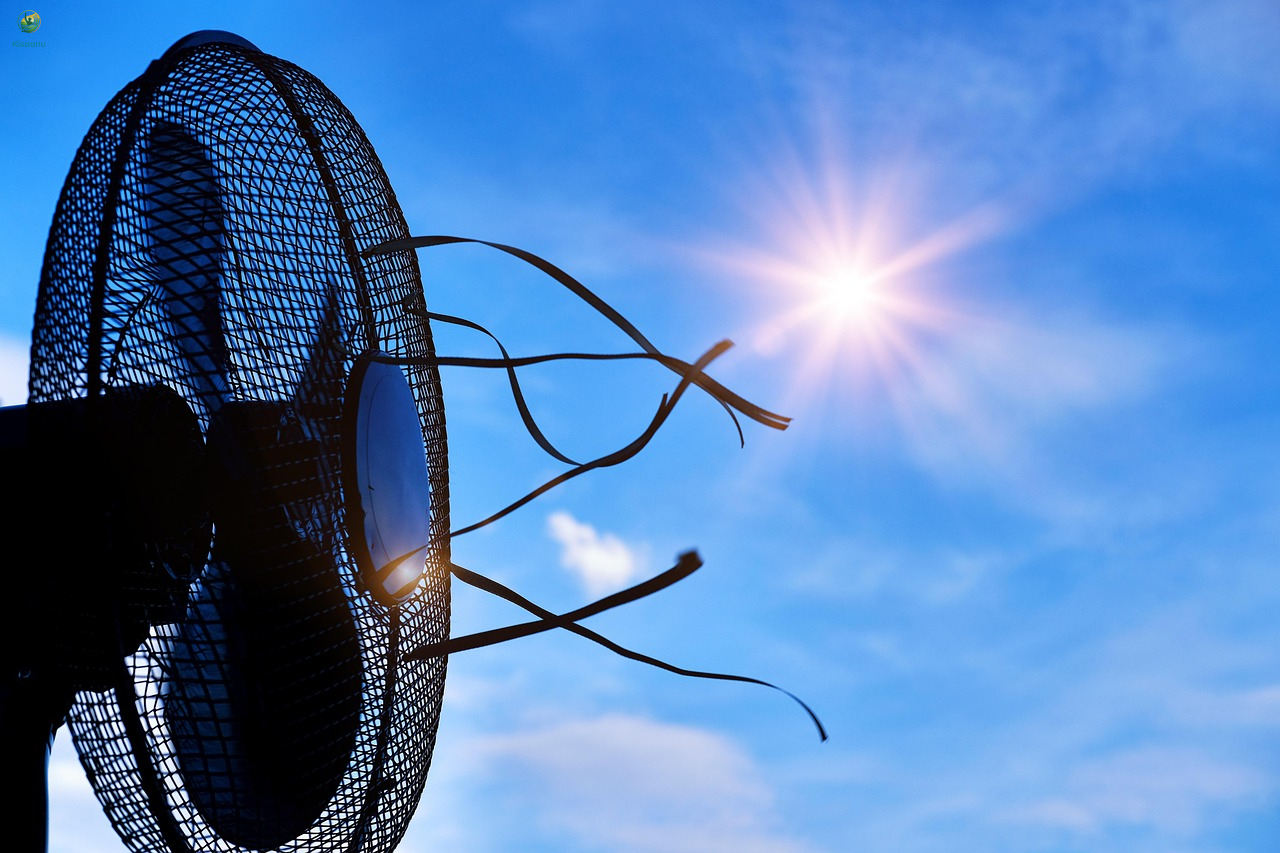
गर्मी का कहर: 45 डिग्री तक पहुंच सकता है पारा, किसान भाइयों अभी से हो जाएं सावधान
इस साल की गर्मी कुछ अलग ही रंग दिखाने वाली है। देश के मध्य और दक्षिणी हिस्सों में तापमान 45 डिग्री सेल्सियस तक पहुंचने की आशंका जताई जा रही है, और राजधानी दिल्ली में भी पारा 40 डिग्री के करीब पहुंचने लगा है। 12 अप्रैल 2026 को आई इस खबर ने देशभर के किसानों की चिंता बढ़ा दी है। अगर आप खेत में काम करते हैं, फसल उगाते हैं, या पशुपालन करते हैं, तो यह खबर सीधे आपसे जुड़ी है।
गर्मी का यह तांडव सिर्फ इंसानों को नहीं, बल्कि आपकी फसल, आपके मवेशी और आपकी जमीन को भी बुरी तरह प्रभावित कर सकता है। इसलिए जरूरी है कि आप अभी से तैयारी शुरू कर दें, न कि तब जब नुकसान हो चुका हो।
गर्मी का असर सबसे पहले कहां पड़ेगा
मध्य भारत और दक्षिण भारत के राज्यों में इस बार गर्मी का प्रकोप सबसे ज्यादा देखने को मिल सकता है। इन इलाकों में तापमान 45 डिग्री सेल्सियस तक जाने की संभावना है। वहीं दिल्ली और उत्तर भारत के मैदानी इलाकों में भी 2026 में पहली बार 40 डिग्री का आंकड़ा छूने की तैयारी है।
सोचिए, जब आप खुद धूप में खड़े होकर काम नहीं कर सकते, तो आपकी गेहूं, मक्का, सब्जी या फल की फसल इस तपती धूप में कैसे टिकेगी? बिना सही देखभाल के फसल झुलस सकती है, पानी की कमी से पौधे मुरझा सकते हैं और आपकी पूरी मेहनत बर्बाद हो सकती है।
किसान भाई के लिए इसका सीधा मतलब क्या है
जब तापमान इतना ऊंचा हो जाता है, तो खेत में कई तरह की समस्याएं एक साथ आती हैं। पहली बात, मिट्टी से नमी बहुत तेजी से उड़ जाती है। जो सिंचाई आप सामान्य दिनों में तीन-चार दिन में एक बार करते थे, वही अब हर एक-दो दिन में करनी पड़ सकती है। इससे पानी की खपत बढ़ती है और अगर आपके पास पानी का साधन सीमित है, तो यह बड़ी मुसीबत बन सकता है।
दूसरी बात, तेज गर्मी में कीड़े-मकोड़े और बीमारियों का प्रकोप भी बढ़ जाता है। गर्म और शुष्क मौसम में थ्रिप्स, माइट्स जैसे कीट तेजी से पनपते हैं जो आपकी फसल को अंदर से खोखला कर देते हैं।
तीसरी बात, अगर आप पशुपालन भी करते हैं, तो आपके मवेशियों को लू लगने का खतरा रहता है। दूध देने वाले पशुओं का दूध उत्पादन गर्मी में कम हो जाता है और वे बीमार भी पड़ सकते हैं।
खेत में काम करने वाले आप खुद भी इस गर्मी में लू के शिकार हो सकते हैं। इसलिए अपनी सेहत का ध्यान रखना भी उतना ही जरूरी है जितना फसल का।
अभी से क्या करें, कैसे बचाएं अपनी फसल और खुद को
सबसे पहली और जरूरी बात यह है कि सुबह जल्दी और शाम को सिंचाई करें। दोपहर की चिलचिलाती धूप में सिंचाई करने से पानी वाष्प बनकर उड़ जाता है और फसल को फायदा कम, नुकसान ज्यादा होता है। सुबह 6 से 9 बजे और शाम 5 बजे के बाद सिंचाई करना सबसे सही रहता है।
अगर आपके पास ड्रिप इरिगेशन यानी टपक सिंचाई की सुविधा है, तो इस मौसम में यह आपका सबसे बड़ा हथियार है। इससे पानी सीधे पौधे की जड़ तक पहुंचता है और बर्बादी नहीं होती।
अपने खेत में मल्चिंग करें। मल्चिंग का मतलब है पौधों की जड़ों के पास सूखी घास, पुआल या प्लास्टिक शीट बिछाना। इससे मिट्टी की नमी बनी रहती है और तापमान कम रहता है।
अगर आपके पास सब्जी की नर्सरी है या छोटे पौधे हैं, तो उन पर शेडनेट यानी छायादार जाल लगाएं। इससे सीधी धूप से बचाव होता है।
अपने पशुओं के लिए ठंडे पानी की व्यवस्था करें और उन्हें दिन में छाया में रखें। पशुओं को दिन में कम से कम तीन-चार बार पानी पिलाएं।
खुद के लिए भी जरूरी सावधानियां
आप खेत में काम करते हैं तो आपकी सेहत सबसे पहले है। सुबह 11 बजे से दोपहर 3 बजे तक खेत में काम करने से बचें। यह समय सबसे खतरनाक होता है। अगर काम जरूरी हो तो सिर पर गमछा या टोपी जरूर पहनें, पानी साथ रखें और थोड़ी-थोड़ी देर में पानी पीते रहें। नींबू-पानी, छाछ या ओआरएस का घोल लू से बचाता है।
एक किसान की कहानी जो आपको समझ आएगी
राजस्थान के एक किसान रमेश जी ने पिछले साल अप्रैल में भीषण गर्मी के दौरान अपनी टमाटर की फसल बचाई। उन्होंने शेडनेट लगाई, सुबह-शाम सिंचाई की और खेत में पुआल की मल्चिंग की। जबकि उनके आस-पास के किसानों की फसल झुलस गई, रमेश जी की फसल सही सलामत रही और उन्हें अच्छा भाव भी मिला क्योंकि बाजार में टमाटर की कमी थी।
यही छोटी-छोटी तैयारी आपकी फसल और आपकी मेहनत को बचा सकती है।
आगे क्या करें, इसे याद रखें
सिंचाई सुबह और शाम को ही करें, दोपहर में नहीं। फसल की जड़ों के पास मल्चिंग जरूर करें। छोटे पौधों और नर्सरी को शेडनेट से ढकें। पशुओं को दिन में छाया में रखें और खूब पानी दें। खुद दोपहर की धूप से बचें और पानी पीते रहें।
गर्मी का यह दौर कठिन जरूर है, लेकिन सही तैयारी से आप अपनी फसल, अपने पशु और खुद को सुरक्षित रख सकते हैं। आप मेहनती हैं, जागरूक हैं, बस थोड़ी सतर्कता और आप इस गर्मी के तांडव को मात दे सकते हैं।
===== ENGLISH VERSION =====
Extreme Heat Alert: Temperatures May Touch 45 Degrees, Here Is What Every Farmer Must Know Right Now
If you have been feeling that the summers are getting hotter every year, you are not imagining it. According to a report published on April 12, 2026, central and southern India are bracing for temperatures that could reach as high as 45 degrees Celsius. Meanwhile, the national capital Delhi is approaching its first 40 degree Celsius day of the year 2026. This is not just a weather update for city dwellers. If you grow crops, raise livestock, or work in the fields every day, this heat wave is a direct threat to your livelihood and your health.
The good news is that with the right preparation, you can protect your crops, your animals, and yourself. Let us talk about what is happening, why it matters to you as a farmer, and what practical steps you can take starting today.
What the Weather Reports Are Saying
The heat this year is expected to be particularly severe in the central and southern regions of India, with forecasts suggesting temperatures could climb to 45 degrees Celsius in those areas. In northern India, Delhi is on the verge of recording its first 40 degree day of 2026. These are not just numbers on a thermometer. For a farmer standing in the field, these temperatures mean scorched crops, dried-up soil, stressed animals, and serious health risks for anyone working outdoors.
Weather patterns like these have become more frequent, and farmers across the country are learning to adapt. The farmers who prepare early are the ones who come out ahead when the heat peaks.
How Extreme Heat Hurts Your Farm
When temperatures rise sharply, your farm faces several problems at the same time. The first and most immediate problem is moisture loss from the soil. In normal weather, you might irrigate your fields every three to four days. When temperatures climb to 40 or 45 degrees, the soil dries out much faster and you may need to water every one to two days. If your water supply is limited, this can create a serious crisis very quickly.
The second problem is crop damage. Crops like wheat, vegetables, and fruit trees suffer when temperatures stay extremely high for several days. Leaves can scorch, flowers can drop before forming fruit, and young seedlings can die. A farmer in Madhya Pradesh once described watching his tomato crop wilt overnight when a sudden heat wave arrived before he had set up any shade protection. He lost nearly half his yield that season.
The third problem is pest pressure. Hot and dry conditions create the perfect environment for certain insects like thrips and mites to multiply rapidly. These pests can damage your crops from the inside before you even notice them.
Finally, if you keep cattle, buffaloes, or goats, extreme heat causes heat stress in animals. This reduces milk production in dairy animals and can make them sick. Animals that do not get enough water and shade during a heat wave can suffer serious health problems.
Protecting Your Crops from the Heat
The most important thing you can do right now is to change when you irrigate. Watering your fields during the middle of the day, when the sun is strongest, wastes a huge amount of water to evaporation and can actually shock the plants. Instead, water your crops early in the morning between 6 and 9 AM, or in the evening after 5 PM. This simple change alone can make a big difference to how well your crops survive the heat.
If you have access to drip irrigation, which delivers water directly to the roots of each plant through small pipes and nozzles, now is the time to use it. Drip irrigation reduces water waste significantly and keeps the root zone moist even during peak heat.
Mulching is another practice that can save your crops. Mulching means covering the soil around your plants with dry grass, straw, or even plastic sheeting. This covering traps moisture in the soil, keeps the root zone cooler, and reduces how often you need to water. Many farmers who tried mulching for the first time during a heat wave were surprised by how much better their crops looked compared to their neighbors who did not mulch.
For small plants, seedlings, and nurseries, consider putting up a shade net. A shade net is a woven fabric that filters out a portion of direct sunlight while still letting air and some light through. This can reduce the temperature around your young plants by several degrees and prevent scorching.
Taking Care of Your Livestock
Your animals need extra attention during a heat wave. Make sure they always have access to clean, cool water. During extreme heat, cattle and buffaloes should be watered at least three to four times a day. Keep them in shaded areas during the hottest part of the day, which is typically between 11 AM and 3 PM. If your animals are kept in a shed, make sure there is good ventilation so hot air does not build up inside.
Dairy farmers should expect some reduction in milk yield during very hot periods. This is normal and will improve once temperatures drop. The key is to keep your animals healthy so they recover quickly.
Protecting Yourself in the Field
You are the most important part of your farm. Without your health, nothing else works. Avoid working in the open fields between 11 AM and 3 PM during peak heat days. If work cannot wait, wear a cotton cloth or cap on your head, carry water with you, and drink regularly even if you do not feel thirsty. Drinks like buttermilk, lemon water, or an oral rehydration solution, which is a simple mixture of water, salt, and sugar available at any medical shop, help your body handle the heat much better than plain water alone.
Know the signs of heat stroke, which include sudden dizziness, confusion, very hot skin, and stopping sweating. If you or anyone working with you shows these signs, move them to shade immediately and seek medical help.
What You Should Do Starting Today
Begin irrigating only in the early morning or evening. Apply mulch around your crops to hold moisture in the soil. Set up shade nets over seedlings and nursery plants. Ensure your livestock have cool water and shade throughout the day. Avoid going into the fields during the hottest midday hours. Keep yourself hydrated with water and traditional cooling drinks.
The heat this season is going to be tough, but you are tougher. Farmers across India have faced difficult seasons before and found ways through. With a little advance planning and the right steps, you can protect your crops, your animals, and your own health. Start preparing today so that when the peak of summer arrives, you are ready for it.