

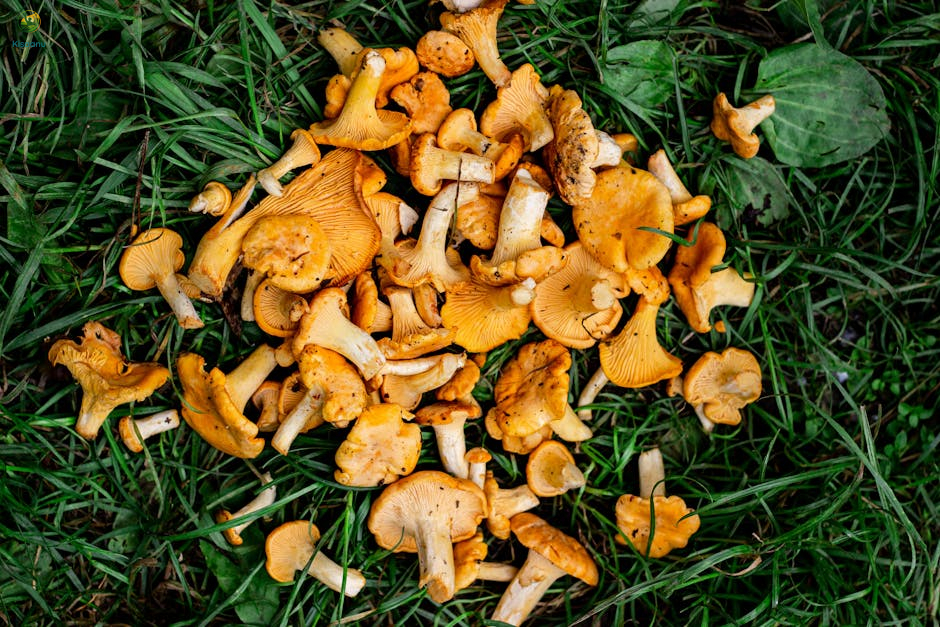
कश्मीर के वैज्ञानिकों का कमाल: अब खेत में उगाएं 40 हजार रुपये किलो वाला दुर्लभ मोरचेला मशरूम
कल्पना करिए कि आपके खेत में एक ऐसी फसल उगे जो बाजार में 15 हजार से 40 हजार रुपये प्रति किलो तक बिके। जी हां, यह सपना अब हकीकत बनने की राह पर है। कश्मीर के वैज्ञानिकों ने एक ऐसा कारनामा कर दिखाया है जिसने पूरे कृषि जगत को हिला कर रख दिया है। उन्होंने उस मशरूम को खेत में उगाने का तरीका खोज लिया है जो अब तक सिर्फ घने जंगलों में, खराब मौसम में, बड़ी मुश्किल से मिलता था।
यह मशरूम है मोरचेला, जिसे स्थानीय कश्मीरी भाषा में कंगाच कहते हैं। और इसे उगाने में सफलता पाई है श्रीनगर स्थित शेर-ए-कश्मीर कृषि विज्ञान और प्रौद्योगिकी विश्वविद्यालय यानी एसकास्ट के वैज्ञानिकों ने। यह पहली बार हुआ है जब इस दुर्लभ मशरूम को नियंत्रित माहौल यानी कृत्रिम रूप से तैयार किए गए वातावरण में सफलतापूर्वक उगाया गया है।
मोरचेला मशरूम आखिर है क्या और इतना खास क्यों है?
अगर आप मशरूम की खेती करते हैं या करने की सोच रहे हैं, तो मोरचेला का नाम आपने शायद सुना हो। यह एक बेहद खास किस्म का मशरूम है जो अपने अनोखे स्वाद, भरपूर पोषण और औषधीय गुणों के लिए दुनियाभर में मशहूर है। अंतरराष्ट्रीय बाजार में इसकी मांग बहुत ज्यादा है, इसीलिए इसकी कीमत आसमान छूती है।
अब तक यह मशरूम सिर्फ ऊंचाई वाले जंगलों में, खास बारिश के मौसम में ही उगता था। इसे जंगलों से इकट्ठा करना बेहद कठिन काम था। लोगों को खराब मौसम में घने जंगलों में घंटों भटकना पड़ता था, और कई बार इतनी मेहनत के बाद भी खाली हाथ लौटना पड़ता था। यही वजह है कि यह मशरूम इतना महंगा है और बाजार में इसकी हमेशा कमी रहती है।
पांच साल की मेहनत, एक हजार जगहों का अध्ययन
इस कामयाबी के पीछे की कहानी बड़ी दिलचस्प है। एसकास्ट के तीन विशेषज्ञों, प्रोफेसर तारिक अहमद सोफी, उनके छात्र कमरान मुनीर और प्रोफेसर विकास गुप्ता ने यह असाधारण काम किया है। इंडियन एक्सप्रेस की एक रिपोर्ट के मुताबिक डॉ. सोफी ने बताया कि उनकी टीम पिछले पांच साल से इस काम में जुटी थी।
उन्होंने बताया कि टीम ने एक हजार से ज्यादा जगहों से जंगली मोरचेला इकट्ठा किया। हर जगह की मिट्टी, मौसम, पौधे और आसपास के पूरे वातावरण का बारीकी से अध्ययन किया गया। इस पूरी जांच-पड़ताल के बाद टीम ने दस किस्मों को चुना और उनके लिए वैसा ही माहौल तैयार करने की कोशिश की जैसा जंगल में होता है। इनमें से तीन किस्मों में पूरी सफलता मिल चुकी है और बाकी किस्मों पर भी काम जारी है और उम्मीद बनी हुई है।
डॉ. सोफी ने यह भी बताया कि मोरचेला को उगाना वैज्ञानिकों के लिए हमेशा से एक बड़ी चुनौती रही है। इस मशरूम को उगने के लिए मिट्टी और मौसम दोनों में खास नमी और तापमान चाहिए होता है। अलग-अलग किस्मों को अलग-अलग पौधों के साथ तालमेल भी जरूरी होता है। इन सभी जटिल जरूरतों को समझकर और वैसा माहौल तैयार करके ही यह सफलता मिली है।
पॉलीहाउस से लेकर खुले खेत तक
इस शोध की एक और खास बात यह है कि वैज्ञानिकों ने मोरचेला को सिर्फ पॉलीहाउस यानी बंद और नियंत्रित ढांचे में ही नहीं, बल्कि खुले माहौल में भी उगाने में सफलता पाई है। जहां प्रोफेसर सोफी और उनकी टीम ने पॉलीहाउस में इसे उगाया, वहीं प्रोफेसर विकास गुप्ता ने इसे खुले वातावरण में भी उगाकर दिखाया है। यह इसलिए महत्वपूर्ण है क्योंकि इससे किसानों के लिए इसे अपनाना और भी आसान हो जाएगा।
अब तक बारामूला, अनंतनाग और श्रीनगर समेत कश्मीर घाटी के अलग-अलग इलाकों में इसकी खेती की जा चुकी है। आगे की योजना अलग-अलग ऊंचाई और मौसम वाले क्षेत्रों में भी इसे उगाने की है। इस तकनीक के लिए पेटेंट यानी कानूनी अधिकार के लिए आवेदन भी किया जा चुका है।
किसानों के लिए क्या बदलेगा?
यूनिवर्सिटी के कुलपति प्रोफेसर नजीर अहमद गनई ने इसे एक गेम चेंजिंग यानी पूरी तस्वीर बदल देने वाली उपलब्धि बताया है। उन्होंने कहा कि अब जंगलों पर निर्भरता खत्म होकर नियंत्रित और बड़े स्तर पर उत्पादन का रास्ता खुल गया है। इससे किसानों, युवाओं और उद्यमियों के लिए नए मौके बनेंगे और पर्यावरण संरक्षण में भी मदद मिलेगी।
डॉ. सोफी ने भी कहा कि यह तकनीक जम्मू-कश्मीर के लिए खासतौर पर कृषि बदलाव और जैव-अर्थव्यवस्था यानी प्राकृतिक संसाधनों पर आधारित आर्थिक विकास में अहम भूमिका निभा सकती है। चूंकि इस मशरूम की अंतरराष्ट्रीय मांग बहुत ज्यादा है, इसलिए यह तकनीक किसानों को एक बेहद महंगी फसल की ओर ले जाएगी और उनकी आमदनी में बड़ा इजाफा होगा।
आपके लिए क्या है इसमें?
अगर आप कश्मीर घाटी में खेती करते हैं या मशरूम की खेती में रुचि रखते हैं, तो यह खबर आपके लिए बेहद महत्वपूर्ण है। पहली बात यह कि एसकास्ट की इस तकनीक पर नजर रखें। जैसे ही यह तकनीक किसानों तक पहुंचाने के लिए उपलब्ध हो, उसे अपनाने में देरी न करें। दूसरी बात, अगर आप पहले से पॉलीहाउस में खेती करते हैं तो मोरचेला की खेती आपके लिए और भी आसान हो सकती है क्योंकि इसमें नियंत्रित वातावरण पहले से मौजूद होता है। तीसरी बात यह कि चूंकि इस मशरूम की अंतरराष्ट्रीय बाजार में भारी मांग है, इसलिए इसकी खेती शुरू करने से पहले बाजार और निर्यात के रास्तों के बारे में जानकारी जरूर जुटाएं। चौथी बात, एसकास्ट जैसे कृषि विश्वविद्यालयों से जुड़े रहें क्योंकि वे किसानों को प्रशिक्षण और तकनीकी मदद देते हैं। और अंत में, याद रखें कि यह एक नई तकनीक है और इसे बड़े पैमाने पर अपनाने में अभी कुछ समय लगेगा, इसलिए धैर्य रखें और सही जानकारी के साथ कदम बढ़ाएं।
कश्मीर के इन वैज्ञानिकों ने पांच साल की अथक मेहनत से जो कर दिखाया है, वह न सिर्फ कश्मीर बल्कि पूरे देश के किसानों के लिए एक नई उम्मीद की किरण है। एक ऐसी फसल जो कभी सिर्फ जंगलों की थाती थी, अब आपके खेत में भी लहलहा सकती है।
===== ENGLISH VERSION =====
Kashmir Scientists Crack the Code: How Farmers Can Now Grow the Rs 40,000-Per-Kilo Morel Mushroom
Imagine growing a crop in your field that sells for anywhere between Rs 15,000 and Rs 40,000 per kilogram in the market. That dream is now closer to reality than ever before. Scientists from Kashmir have achieved something that the agricultural world has been waiting for a long time. They have successfully figured out how to grow one of the rarest and most expensive mushrooms in the world right in a controlled farming environment, no jungle required.
The mushroom in question is the Morchella, known locally in Kashmir as Kangach. The breakthrough comes from the Sher-e-Kashmir University of Agricultural Sciences and Technology (SKUAST), based in Srinagar. For the first time ever, this rare mushroom has been successfully cultivated in a controlled environment, and this changes everything for farmers who are looking for high-value crops.
What Makes Morchella So Special?
If you have never heard of Morchella before, here is why it matters to you as a farmer. This is not your ordinary mushroom. The Morchella is known worldwide for its unique flavour, rich nutritional value, and powerful medicinal properties. International demand for this mushroom is extremely high, which is exactly why its price in the market is so steep.
Until now, Morchella grew only in high-altitude forests during specific rainy seasons. Collecting it from the wild was incredibly difficult work. People had to trek through dense forests in harsh weather conditions, spending hours searching, and often returning empty-handed after all that effort. This difficulty of collection combined with high international demand is what drives the price up to Rs 40,000 per kilogram. The supply has always been limited because nature, not farmers, was in control of production.
Five Years of Research, Over a Thousand Locations Studied
The story behind this achievement is one of extraordinary dedication. According to a report by the Indian Express, three experts from SKUAST worked on this project: Professor Tariq Ahmad Sofi, his student Kamran Munir, and Professor Vikas Gupta. Each of them developed cultivation methods through different approaches.
Dr. Sofi explained that his team has been working on this challenge for the past five years. During this time, they collected wild Morchella samples from more than 1,000 different locations. At each location, they carefully studied the soil, weather conditions, surrounding plants, and the overall environment. After this extensive research, they selected ten varieties of Morchella and worked to recreate the exact conditions those varieties needed to grow. Out of these ten, three varieties have been successfully cultivated, and the team remains hopeful about the remaining varieties as well.
Dr. Sofi also explained why Morchella has always been such a challenge for scientists to cultivate. This mushroom requires very specific levels of moisture and temperature in both the soil and the surrounding air. Different varieties also need to interact with specific types of plants to grow properly. Understanding all these complex requirements and then creating those exact conditions in a controlled setting is what made this achievement so difficult and so remarkable.
From Polyhouses to Open Fields
One of the most exciting aspects of this research is that the scientists have not limited themselves to just one method of cultivation. While Professor Sofi and his team successfully grew Morchella inside a polyhouse, which is a covered structure where temperature and humidity can be controlled, Professor Vikas Gupta went a step further and successfully grew it in an open outdoor environment as well. This is significant because it means farmers do not necessarily need expensive infrastructure to try this crop.
The cultivation has already been tested across multiple locations in the Kashmir Valley, including Baramulla, Anantnag, and Srinagar. The team now plans to extend trials to areas with different altitudes and varying weather conditions. A patent application, which means legal protection for their method, has already been filed.
What This Means for Farmers and the Economy
SKUAST Vice Chancellor Professor Nazir Ahmad Ganai described this as a game-changing achievement. He said this innovation marks a major transformation because it moves production away from dependence on forests and opens the door to controlled, large-scale cultivation. He added that this will create new opportunities for farmers, young people, and entrepreneurs, while also helping protect forest ecosystems that were previously being strained by wild collection.
Dr. Sofi echoed this optimism by pointing out that Morchella can play a vital role in the agricultural transformation of Jammu and Kashmir and in developing what he called a bio-economy, meaning an economy built around biological and natural resources. Because international demand for this mushroom is so strong, this technology will guide farmers toward a high-value crop that can significantly increase their income.
What You Should Do With This Information
If you are a farmer in the Kashmir Valley or someone interested in mushroom cultivation, this development deserves your close attention. Here are some practical steps you can think about right now.
First, keep a close watch on updates from SKUAST. As this technology moves from the research stage to farmer-level availability, being among the early adopters can give you a significant advantage. Second, if you already have a polyhouse or are considering setting one up, Morchella cultivation could be an ideal fit because the controlled environment is already in place. Third, since this mushroom has strong international demand, start researching export channels and market connections before you begin cultivation so you are ready when the crop is ready. Fourth, connect with agricultural universities and extension services in your area because institutions like SKUAST often provide training and technical support to farmers adopting new technologies. Fifth, be patient and realistic. This is a newly proven technology and it will take some time before it is widely available and accessible to all farmers. Rushing in without proper knowledge and preparation could lead to losses, so wait for proper guidance and training.
The bigger picture here is genuinely exciting. A mushroom that once belonged exclusively to the wild forests of high-altitude Kashmir can now be grown by farmers in a controlled setting. The scientists at SKUAST spent five years, studied over a thousand locations, and worked through countless challenges to make this possible. Their work could transform the livelihoods of farmers across Jammu and Kashmir and set an example for high-value crop cultivation across India. The jungle no longer holds a monopoly on this golden mushroom. Your farm might be the next place it grows.