

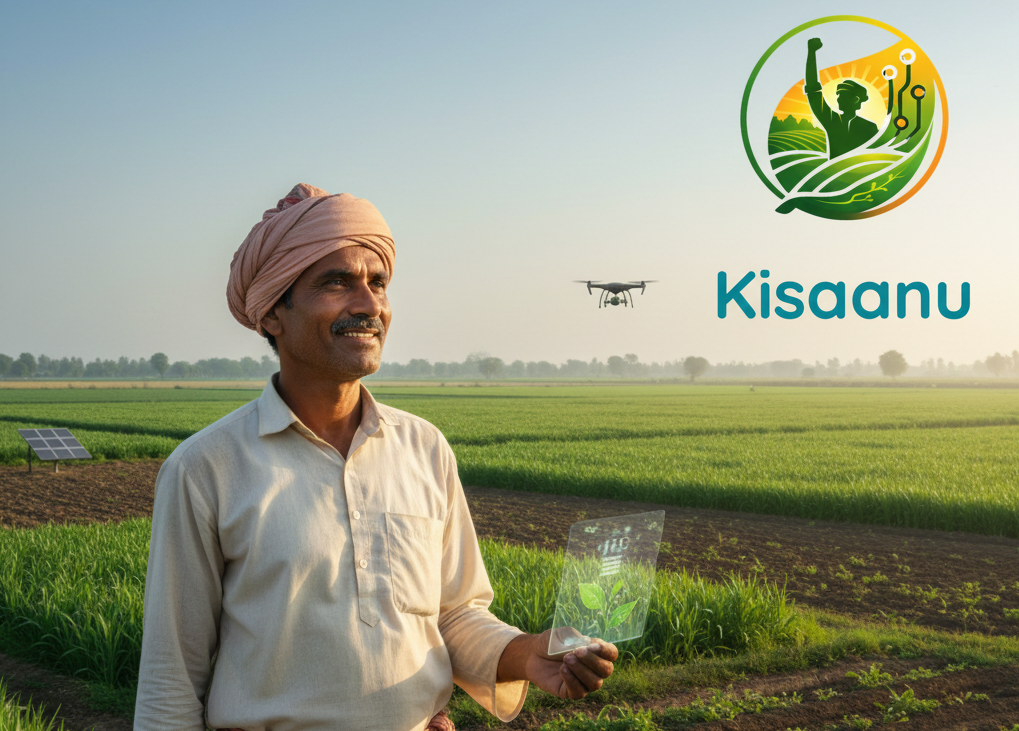
भारतीय कृषि में काम करने वाले संस्थापकों के रूप में हमने समय के साथ बजट को देखने का नज़रिया बदलना सीखा है। हम आकर्षक घोषणाएँ या तात्कालिक प्रोत्साहन नहीं ढूँढते। हम नीति की मंशा देखते हैं, उसकी दिशा देखते हैं, और यह समझने की कोशिश करते हैं कि क्या वह ज़मीनी हकीकत को सच में समझती है।
केंद्रीय बजट 2026–27 इसीलिए अलग दिखाई देता है। यह बिना ज़्यादा शोर किए, लेकिन स्पष्ट रूप से यह संकेत देता है कि कृषि नीति अब अस्थायी राहत से आगे बढ़कर दीर्घकालिक उत्पादकता, तकनीक के सही उपयोग और मज़बूत संस्थागत ढाँचे की ओर बढ़ रही है। जो लोग किसानों के साथ सीधे काम करते हैं, उनके लिए यह बदलाव बेहद मायने रखता है।
इस बजट का सबसे महत्वपूर्ण संकेत है भारत-VISTAAR की शुरुआत। AgriStack डेटा, ICAR के कृषि ज्ञान और कृत्रिम बुद्धिमत्ता को जोड़कर सरकार ने यह स्वीकार किया है कि किसानों को समय पर, स्थानीय परिस्थितियों के अनुसार और निर्णय लेने में मदद करने वाली सलाह की ज़रूरत है। यह तकनीक से किसानों को बदलने की बात नहीं है, बल्कि रोज़मर्रा के खेती से जुड़े जोखिम और अनिश्चितता को कम करने की कोशिश है।
Kisaanu जैसी टीमों के लिए यह स्वीकार्यता बहुत अहम है। वर्षों के ज़मीनी अनुभव ने हमें यह सिखाया है कि असली प्रभाव एक बार के हस्तक्षेप से नहीं आता। वह निरंतर सलाह, बार-बार संवाद और पूरे फसल चक्र में किसानों के साथ खड़े रहने से आता है।
बजट में किसानों की आय बढ़ाने पर जो ज़ोर दिया गया है, वह भी हमारे सोच से पूरी तरह मेल खाता है। खासकर छोटे और सीमांत किसानों के लिए आय में सुधार केवल बेहतर दामों से नहीं होता। यह बेहतर फसल योजना, अच्छी पैदावार, विविधीकरण और हर चरण में नुकसान कम करने से आता है।
FPOs, सहकारी संस्थाओं और MSMEs को मज़बूत आर्थिक इकाइयों के रूप में विकसित करने पर दिया गया ध्यान भी उत्साहजनक है। ये संरचनाएँ तभी सफल होती हैं जब उनमें भरोसा, पारदर्शिता और अनुशासित निष्पादन हो। इस दिशा में नीति समर्थन धैर्य और दीर्घकालिक प्रतिबद्धता को महत्व देता है, न कि केवल तेज़ी या दिखावटी पैमाने को।
टियर II और टियर III शहरों में इन्फ्रास्ट्रक्चर निवेश आज भले ही बहुत नाटकीय न लगे, लेकिन कृषि के लिए इसका असर गहरा होता है। बेहतर सड़कें, लॉजिस्टिक्स और वेयरहाउसिंग धीरे-धीरे परिणाम बदलती हैं। कटाई के बाद नुकसान कम होना और बेहतर बाज़ार पहुँच कई बार लाभ और संकट के बीच का अंतर तय करता है।
Kisaanu में यह बजट उन कई फैसलों को प्रतिबिंबित करता है जो हमने सोच-समझकर लिए हैं। हमने पहले संचालन को मज़बूत करने का रास्ता चुना। हमने किसानों के क़रीब रहने को प्राथमिकता दी। और हमने तकनीक को सहारा माना, शॉर्टकट नहीं।
केंद्रीय बजट 2026–27 हमें याद दिलाता है कि कृषि उन्हीं को फल देती है जो टिके रहते हैं, धीरे-धीरे निर्माण करते हैं और समय के साथ विश्वास कमाते हैं। रास्ता लंबा है, लेकिन अब दिशा पहले से कहीं ज़्यादा स्पष्ट दिखती है।
Union Budget 2026–27: Why This Matters Deeply to Us at Kisaanu
As founders building in Indian agriculture, we have learned to read budgets differently over time. We do not look for big headlines or short-term incentives. We look for intent. We look for direction. And most importantly, we look for whether policy truly understands what happens on the ground.
Union Budget 2026–27 stands out because it sends a quiet but clear signal. The focus is shifting away from temporary relief and toward long-term productivity, technology integration, and stronger institutions in agriculture. For those of us working closely with farmers, this shift matters.
One of the most meaningful signals in this Budget is the launch of Bharat-VISTAAR. By integrating AgriStack data and ICAR’s agricultural knowledge with artificial intelligence, the government has acknowledged something fundamental: farmers need timely, local, and decision-oriented support. This is not about replacing farmers with technology. It is about reducing uncertainty and risk in everyday farming decisions.
For teams like ours at Kisaanu, this recognition feels deeply validating. Years of on-ground work have taught us that real impact does not come from one-off interventions or pilots. It comes from consistent advisory, repeated engagement, and standing with farmers through an entire season.
The Budget’s emphasis on increasing farmer incomes through productivity and entrepreneurship also aligns closely with how we think. Especially for small and marginal farmers, income improvement rarely comes from prices alone. It comes from better crop planning, improved yields, diversification, and reducing losses at every stage of the cycle.
Another encouraging direction is the strengthening of FPOs, cooperatives, and MSMEs as serious economic institutions. These structures only succeed when built on trust, transparency, and disciplined execution. Policy support here rewards patience and long-term commitment, rather than speed or scale for its own sake. That is an approach agriculture needs.
Infrastructure investments, particularly in Tier II and Tier III cities, may not feel dramatic in the short term. But for agriculture, better roads, logistics, and warehousing steadily change outcomes. Reduced post-harvest losses and improved market access often decide whether a farming season ends in profit or distress.
At Kisaanu, this Budget reflects many choices we have made intentionally. We chose to build operations first. We chose to stay close to farmers rather than chase scale too early. And we chose to use technology as a support system, not a shortcut.
Union Budget 2026–27 reminds us that agriculture rewards those who stay, build steadily, and earn trust over time. The journey is long, but the direction now feels clearer.
Tags:
Union Budget 2026, Founder Perspective, Agriculture, Agritech, Farmer Partnerships, Kisaanu, Rural India, AI in Agriculture